
Energy
Our Energy section delivers concise, authoritative analysis of the policies, investments, and technologies driving the global power transition—from multibillion-dollar infrastructure projects and extreme-weather grid resilience to market shifts in renewables and storage. We also spotlight curious new inventions and breakthrough products in carbon capture, next-generation batteries, and smart-grid systems. Stay informed on the innovations and insights powering tomorrow’s energy landscape.

OMV moves forward with a flagship large-scale green hydrogen project in Lower Austria
Austria's energy landscape is about to witness a transformative shift as one of Europe's most ambitious green hydrogen initiatives takes...
Read moreDetails
Taipower begins hydrogen co-firing tests at gas-fired power stations to cut emissions
Taiwan's energy landscape is quietly undergoing a revolution that could change everything about how the island powers itself. While most...
Read moreDetails
Spain launches €355 million RENOVAL2 funding round to support hydrogen projects starting January 2026
Spain has unveiled an ambitious new funding initiative that promises to reshape the country's clean energy manufacturing landscape through substantial...
Read moreDetails
New Zealand enacts reforms to strengthen energy regulators and reduce policy uncertainty ahead of 2026
The current government in New Zealand has implemented strategic and comprehensive regulatory reforms that seek to modernize the regulatory framework...
Read moreDetails
Pertamina advances a green hydrogen pilot project at the Ulubelu geothermal facility
The energy sector in Indonesia is experiencing a paradigm shift with the country's largest state-owned energy enterprise launching a massive...
Read moreDetails
Namibia opens one of Africa’s first port-based facilities combining green hydrogen production and export
Namibia has achieved a groundbreaking milestone in Africa's renewable energy landscape with the launch of an innovative green hydrogen facility...
Read moreDetails
EU program backing hydrogen valleys extended through January 2026
Europe's hydrogen sector receives a significant boost as the Clean Hydrogen Partnership extends its flagship support programme into early 2026....
Read moreDetails
Taipower starts pilot tests, blending hydrogen fuel at its Kaohsiung power station
Taiwan's state-owned power company has launched groundbreaking trials that could revolutionize the island's energy landscape. Taipower's research institute is testing...
Read moreDetails
Ofgem announces updated UK energy price cap for the first quarter of 2026
UK households prepare for another energy price change as the energy pricing authority, Ofgem, makes its bi-annual pricing announcement for...
Read moreDetails
Colombia to host first global conference dedicated to fossil-fuel phase-out in April 2026
Colombia and the Netherlands have announced plans to co-host the world's first international conference focused exclusively on transitioning away from...
Read moreDetails
EU Commission indicates energy policy will remain a central priority heading into 2026
Brussels has unveiled its most ambitious energy agenda yet, signaling that European energy policy will dominate political discussions throughout 2026....
Read moreDetails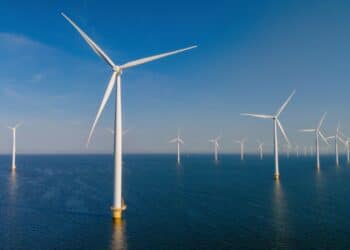
India preparing to release Tamil Nadu’s first offshore wind tender by February 2026
The Ministry of New and Renewable Energy in India is set to announce its maiden offshore wind tender off the...
Read moreDetails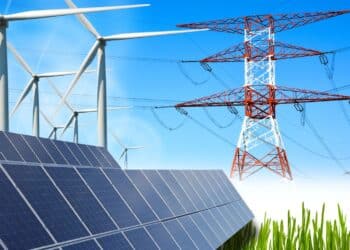
IEA projects renewables will overtake all other sources as top global power provider by 2026
The International Energy Agency has projections whose impacts will be realized in the years to come. Soon, before 2026, there...
Read moreDetails
NRG Energy projects stronger 2026 earnings driven by rising electricity demand
NRG Energy has announced optimistic financial projections for 2026, forecasting a core profit of $1.2 billion driven by surging electricity...
Read moreDetails
U.S. outlook predicts lower crude prices heading into 2026
The crude oil markets are preparing for what promises to be a major transition that will drastically change oil prices...
Read moreDetails
EIA forecasts record-breaking U.S. electricity demand through 2025 and 2026
Projections announced by the Energy Information Administration (EIA) of the U.S. are set to dramatically alter the future of energy...
Read moreDetails
Mauritania steps up talks to fast-track development of the AMAN green hydrogen megaproject
Mauritania's energy landscape stands on the brink of transformation as negotiations intensify around Africa's most ambitious green hydrogen initiative. The...
Read moreDetails
Nel gives final approval to scale up electrolyser production to 1 GW at its Herøya site
A crucial stage in the growth of Norwegian-based electrolyser company, Nel, has been reached as its board approved massive expansion...
Read moreDetails
IEA projects massive global oil surplus emerging in 2026
The warning signal has been issued by the International Energy Agency about the state of the world market in oil,...
Read moreDetails
IFC chooses Uruguay as the site of its inaugural global green hydrogen investment
The International Finance Corporation has taken a historic step that is destined to change the face of green energy in...
Read moreDetails
Plug Power deploys a 5 MW electrolyser at Africa’s first end-to-end green hydrogen facility
Africa's renewable energy landscape reaches a transformative milestone as Plug Power successfully installed cutting-edge electrolyser technology at Namibia's groundbreaking hydrogen...
Read moreDetails
Shell’s Holland Hydrogen 1 project poised to become one of Europe’s largest renewable hydrogen facilities
The European renewable energy sector is on the threshold of a revolution as Shell proceeds with its massive hydrogen production...
Read moreDetails
European Commission speeds up approvals for more than 100 hydrogen and electrolyser developments
Brussels accelerates the pace of a clean energy transition in Europe by means of innovative regulatory solutions targeted at the...
Read moreDetails
EU unlocks €6 billion for hydrogen projects via a new auction and Innovation Fund financing round
Europe's hydrogen revolution gains unprecedented momentum as the European Commission unveils its most ambitious funding initiative yet. The massive €6...
Read moreDetails
EVOLOH and GS E&C launch design phase for multi-hundred-megawatt electrolyser installations
Two industry leaders have unveiled a game-changing collaboration that will be instrumental in revolutionizing large-scale hydrogen production on Earth. The...
Read moreDetails
From solar panels to “solar moss” — Experts grow stunning green façade system and create “biophotovoltaics”.
Have you ever thought it was possible to generate electricity from plants? Well, in Spain, scientists experimented on moss and...
Read moreDetails
Work begins on a 100 MW green hydrogen plant at the site of Germany’s former Moorburg coal power station
Hamburg marks a pivotal moment in Germany's energy transition as construction officially begins on a groundbreaking green hydrogen facility. The...
Read moreDetails
Shell locks in green electricity supply for a planned 100 MW hydrogen unit at a German refinery, aiming for 2027 operations
Shell's ambitious hydrogen project takes a decisive step forward as the energy giant secures renewable electricity through strategic partnerships. The...
Read moreDetails
It’s the first solar nation in history — Close to Australia, but worlds away from the 21st century
Life on small islands often comes with unique difficulties, from the growing impacts of climate change to the burden of...
Read moreDetails
Plug Power and Hy2gen sign intent agreement to deploy a 5 MW PEM electrolyser for France’s Sunrhyse green-hydrogen initiative
Two major players in the hydrogen industry have just announced a partnership that could reshape France's renewable energy landscape. Plug...
Read moreDetails
Hystar and McDermott join forces to engineer a standardized 100 MW green-hydrogen plant concept for global use
Not one but two leaders in the sector have made a historic collaboration that will bring about a revolution in...
Read moreDetails
EWE breaks ground on 320-MW green hydrogen plant in Emden, marking a major German build-out
Germany's renewable energy transformation has reached another pivotal milestone as construction begins on one of Europe's most ambitious hydrogen plants....
Read moreDetails
Spain commits €126.4 million to support two new renewable-hydrogen projects under MITECO’s transition programme
Spain has made a historical intervention in the European renewable energy sector in a manner that is radically setting the...
Read moreDetails
Large-scale green hydrogen and ammonia project aims to begin commercial operations in 2026
NEOM Green Hydrogen Company has reached a historic milestone by securing financial close on the world’s largest green hydrogen production...
Read moreDetails
EIB and EU Commission announce new joint funding program to speed up construction of Europe’s large-scale AI manufacturing hubs
European leaders are taking bold steps to ensure the technological future of the continent with unprecedented financial outlays. The European...
Read moreDetails
European Commission launches fresh funding call for hydrogen production and industrial heat projects
Brussels just unveiled its most ambitious clean technology funding initiative yet, with €5.2 billion in fresh capital ready to transform...
Read moreDetails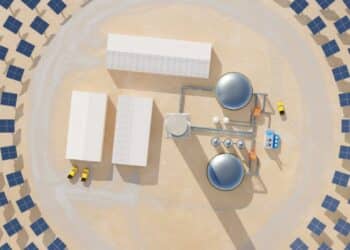
Illinois launches virtual power plant program — Households will see a change in December and may receive a $300 incentive
Illinois is gradually becoming a hub for virtual power plant development. In the coming years, thousands of homes are expected...
Read moreDetails
Air Liquide and Hyundai broaden partnership to roll out hydrogen infrastructure in Europe, the U.S. and South Korea
Two industrial giants unite to reshape the global energy landscape through an ambitious hydrogen ecosystem expansion. Air Liquide and Hyundai...
Read moreDetails
Sweden’s Stegra wins €41 million grant to build hydrogen-powered steel facility
Swedish green steel venture Stegra has secured €41 million in public funding from the Swedish Energy Agency for its revolutionary...
Read moreDetails
EU provides fresh support for Snam’s cross-border hydrogen pipeline initiative
The European Union has launched the second Projects of Common Interest list, which includes more than 100 hydrogen infrastructure projects...
Read moreDetails
Canadian Solar’s e-STORAGE wins contract for 20.7 MW / 56 MWh battery project in Lower Saxony, Germany
Canadian Solar's subsidiary e-STORAGE has secured a significant battery energy storage contract in Germany, marking another milestone in the company's...
Read moreDetails
Fluence and LEAG move forward with plans for a 1 GW / 4 GWh battery complex in Europe
The future of storing power in the European region is about to get its most ambitious undertaking to date, as...
Read moreDetails
Charbone announces first hydrogen output from its Sorel-Tracy production site
This marks a major achievement by the Charbone Corporation in completing the installation of equipment in Phase 1A with the...
Read moreDetails
U.S. poised to add roughly 32 GW of new solar capacity over the coming year
America's renewable energy sector continues its remarkable expansion despite political headwinds, with solar power leading an unprecedented capacity surge. The...
Read moreDetails
TotalEnergies acquires 50% stake in flexible power assets spread across Western Europe
TotalEnergies has made one of the largest acquisitions in recent years within the energy sector in Europe, securing itself access...
Read moreDetails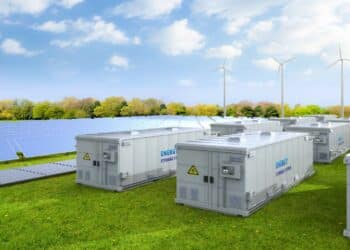
Trina Storage secures U.S. contract for a 1.08 GWh battery-energy storage project
Chinese energy storage giant Trina Storage just landed a massive deal that's got industry insiders talking. The company's latest announcement...
Read moreDetails
NeoVolta to build 2 GWh battery manufacturing plant in Georgia to expand U.S. storage capacity
The energy storage industry in America is about to receive a significant boost from an unexpected quarter. NeoVolta has just...
Read moreDetails
Chevron moves ahead with 2.5 GW West Texas power project to fuel fast-growing data-center demand by 2027
Chevron Corporation is setting up its initial power production unit that will focus on supporting the data centers used for...
Read moreDetails
Constellation Energy proposes up to 5,800 MW of new generation and battery storage capacity for Maryland
Constellation Energy has unveiled significant plans to deliver up to 5,800 megawatts of new generation and battery storage capacity in...
Read moreDetails
Work begins on new U.S. fuel facility designed to supply small modular reactors
America’s nuclear renaissance has taken an important step forward with the latest news emanating from the state of Tennessee, where...
Read moreDetails
© 2025 by GCN