
Automotive
Our Automotive section delivers authoritative coverage of the dynamic forces reshaping mobility—from electric vehicle rollouts and autonomous driving regulations to supply chain disruptions and high-profile safety recalls. We analyze market trends, legislative changes, and technological innovations—such as connected-car platforms and next-generation charging infrastructure—through concise, investigative reports. Stay informed on the strategic developments and emerging solutions steering the future of transportation.

Hyundai unveils CRATER concept globally at AutoMobility LA 2025
Hyundai Motor America has recently revealed the CRATER concept car at the AutoMobility LA 2025 event. This event marks the...
Read moreDetails
Polestar introduces its first bidirectional charging package for customers
Polestar introduced its very first bi-directional charging product offering, a major step forward for electric car development. The company is...
Read moreDetails
Genesis launches next-generation lineup, signaling a new chapter in luxury performance
Genesis has revealed its “Luxury High Performance” vision, and it indeed promises an uncompromising decade in the days to come...
Read moreDetails
Hyundai Inster wins Germany’s Golden Steering Wheel for best car under €25,000
Hyundai’s all-electric Inster won the prestigious “Golden Steering Wheel” award in the “Vehicles under €25,000” category in Germany. This is...
Read moreDetails
Hyundai’s high-performance Ioniq 6 N makes North American debut at AutoMobility LA
The South Korean automaker Hyundai launched the Ioniq 6 N, an electric vehicle meant for high-performance driving. This car was...
Read moreDetails
Hyundai previews new “Crater Concept” ahead of its AutoMobility LA 2025 debut
Hyundai has unveiled concept sketches of its new "Crater Concept," which is an aggressive and rugged show vehicle specifically designed...
Read moreDetails
Hyundai’s all-electric Inster and upcoming Ioniq 9 set to anchor Europe’s 2025 EV launches
Hyundai is making its presence felt as a major leader within the electric car market, offering in Europe through its...
Read moreDetails
Bentley unveils new Continental GT Supersports
The legendary nameplate Supersports returns after a gap of seven years, and this is the most extreme variant of the...
Read moreDetails
Porsche to unveil fully electric Cayenne at global debut on November 19, 2025
Porsche's most anticipated SUV launch in over two decades is just days away from making automotive history. The German luxury...
Read moreDetails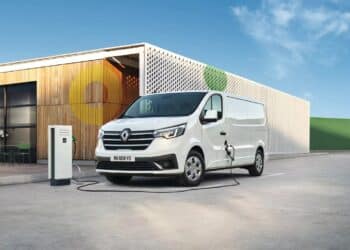
Renault debuts the new Trafic Van E-Tech Electric on November 18
Renault rolled out its long-awaited Trafic Van E-Tech Electric at the 2025 installment of the Solutrans trade fair, which took...
Read moreDetails
Hyundai unveils the all-new Venue and Venue N Line in global premiere
Hyundai Motor India Limited has officially launched the all-new Venue and Venue N Line, marking a significant milestone in the...
Read moreDetails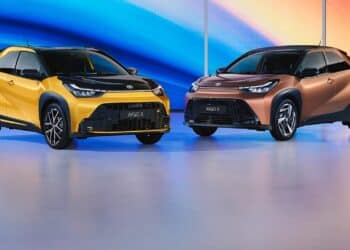
Toyota begins European production of the new Aygo X Hybrid
Toyota Motor Europe has begun mass production of this revolutionary new model, called the Aygo X Hybrid, at its manufacturing...
Read moreDetails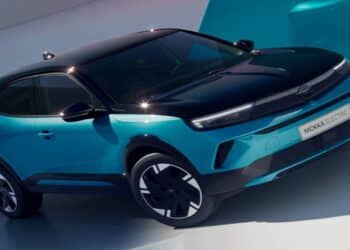
Opel rolls out new Mokka GSE variant on November 5, 2025
The Mokka GSE is the strongest electric vehicle that has ever been produced by Opel, and its launch has taken...
Read moreDetails
Kia previews next-generation 2027 Telluride ahead of upcoming U.S. world premiere
Kia has unveiled its highly anticipated second-generation Telluride SUV, marking a significant evolution in the brand's flagship three-row vehicle design....
Read moreDetails
Toyota Sienna tops U.S. new car sales rankings for November 2025
The American automotive landscape has witnessed a remarkable shift that's catching industry experts by surprise. Toyota's family-friendly minivan has emerged...
Read moreDetails
Volkswagen to co-develop proprietary autonomous driving chip in China through new joint venture
German automotive giant Volkswagen has announced a groundbreaking partnership that could reshape its competitive position in the world's largest car...
Read moreDetails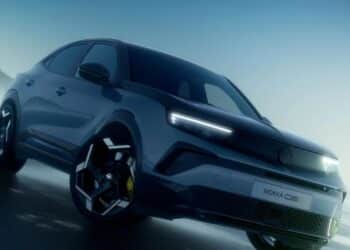
Opel debuts new “Mokka GSE,” rounding out its compact crossover lineup
German automaker Opel recently unveiled its most powerful production electric car. The new Mokka GSE models are already considered the...
Read moreDetails
Renault revives Twingo as low-cost electric vehicle for UK market
Renault's latest electric vehicle announcement has caught industry experts off guard with an unexpected twist that could reshape Britain's affordable...
Read moreDetails
Hyundai Motor Group inaugurates €150 million testing center in Germany to advance EV development
The Hyundai Motor Group has just made a huge statement regarding its intentions in Europe. The South Korean giant in...
Read moreDetails
Stellantis unveils “Bottega Fuoriserie” hub bringing Alfa Romeo and Maserati under one roof in Italy’s Motor Valley
Two of the most legendary Italian car brands have just collaborated on a historic partnership that will surely rewrite the...
Read moreDetails
Peugeot to debut ‘Polygon’ concept in November, offering first look at next-generation 208
French automaker Peugeot has dropped a tantalizing teaser that's sending ripples through the automotive world. The mysterious 'Polygon' concept promises...
Read moreDetails
Japanese carmakers weigh importing U.S.-made vehicles to ease trade tensions
Nissan, Honda, and Toyota are facing increasing American tariffs of up to 15% as President Donald Trump presses his point...
Read moreDetails
Japan outlines benchmark-setting plan for glass and auto sectors under GX-ETS framework
The Japanese government has announced model calculation methods in key industrial sectors in what it terms the Green Transformation Emissions...
Read moreDetails
Peugeot to unveil ‘Polygon’ concept in November, teasing next-generation 208 design
French automaker Peugeot is all set to stun the auto world with something that goes against all common sense when...
Read moreDetails
Tata confirms Sierra comeback, with launch set for November 25, 2025
The legend returns! Tata Motors just dropped the bombshell everyone's been waiting for—the iconic Sierra is officially making its comeback....
Read moreDetails
Nissan and Monolith AI deepen collaboration to accelerate vehicle development cycles
Nissan Motor is not relenting in its quest to develop new technologies despite the financial struggles that the company is...
Read moreDetails
South Korea – U.S. trade pact expected to reshape auto sector and influence currency trends
South Korea and the U.S. have signed a historic trade agreement containing massive investment commitments. This agreement has the potential...
Read moreDetails
Japan’s industry minister reaffirms robust auto sector investments in the U.S.
The automobile majors in Japan are not yet ready to pause investments in America, even in light of global economic...
Read moreDetails
Dutch–Chinese dispute over chipmaker threatens to disrupt automotive supply chains, experts warn
A diplomatic tug-of-war between the Netherlands and China over a semiconductor company is about to wreak havoc on global car...
Read moreDetails
Hyundai and Kia renew bid to reenter Japan’s tough import car market
South Korean auto giants Hyundai and Kia have issued a daring challenge to Japan's famously demanding import car market on...
Read moreDetails
BYD’s push into compact EVs poses new challenge for Japan’s automakers
Chinese electric vehicle giant BYD is preparing to shake up Japan's automotive landscape with an unprecedented move into the country's...
Read moreDetails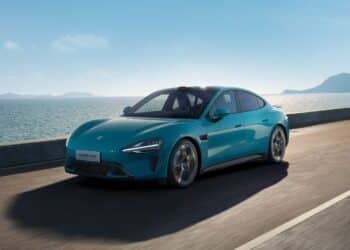
Xiaomi offers tax rebates for early EV buyers with 2026 delivery orders
China's electric vehicle market just got interesting. Xiaomi announced Friday it'll be covering the increase in tax for those who...
Read moreDetails
Evonik expands in Asia with new aluminum specialties facility in Japan for EV and coatings markets
Evonik, the German chemical giant, has just commissioned its first fumed alumina plant in Japan, evidencing a strategic change in...
Read moreDetails
Japan’s trade data show car exports climbing to Asia but dropping in the U.S.
Japan's automobile sector is bracing for an imminent geographical shift, with September trade figures showing opposite fates of different markets...
Read moreDetails
Indonesia to launch domestic car production within three years, says Prabowo
On the first anniversary of his inauguration, President Prabowo Subianto declared an ambitious car independence program. Indonesia stands to recover...
Read moreDetails
Jeep relocates Compass production to Illinois to sidestep trade tariffs
Stellantis is taking a strategic manufacturing move that will disrupt the North American automobile sector. The automobile business has turned...
Read moreDetails
Stellantis to increase U.S. production by 50% in $13 billion expansion plan
Stellantis NV announced a record investment in history, worth $13 billion in the United States market over the next four...
Read moreDetails
Japan cautions Vietnam on job losses as Hanoi’s motorbike ban impacts Honda
Diplomatic tensions increase as Japan's government takes action to protect its motorcycle manufacturers from Vietnam's green policies. The Hanoi-based Japanese...
Read moreDetails
Mercedes-Benz becomes first automaker to commit to global fossil-carbon-free program
Mercedes-Benz becomes history of automobiles when it joins the Renewable Carbon Initiative as a member, pioneering fossil-free car manufacturing through...
Read moreDetails
WeRide gains approval in France for Level 4 autonomous vehicle testing
Another historic moment of autonomous mobility in the world is the entry of WeRide in Europe. The Chinese autonomous technology...
Read moreDetails
Jeep shifts North American Compass production to Illinois to avoid tariffs
Stellantis has revealed that it would be shifting Jeep Compass production from its Brampton, Ontario, plant to Illinois and has...
Read moreDetails
Abu Dhabi to build new EV export hub through Stellantis partnership
Abu Dhabi is staking out its position as the Middle East's automotive powerhouse through a ground-breaking alliance with global manufacturing...
Read moreDetails
Automakers warn of electric vehicle slowdown as federal credit phase-out takes hold
The federal electric vehicle tax credit, which was $7,500 formally, expired on September 30, 2025, making it part of the...
Read moreDetails
Jaguar Land Rover resumes factory lines after major cyberattack disruption
Jaguar Land Rover has declared to start manufacturing again in phases after over one month of suspension of production due...
Read moreDetails
European Commission launches ‘AI-first’ initiative to accelerate self-driving vehicle adoption
As competitive pressures from overseas providers of high-appeal autonomous car services grow, European leaders are scrambling to secure their continent's...
Read moreDetails
US auto buyers defy tariffs and inflation, boosting Q3 sales
Against the backdrop of economic headwinds such as tariffs and inflation, American consumers persevered to create strong third-quarter automobile sales,...
Read moreDetails
GM abandons effort to extend EV tax credit past official cutoff date
General Motors has suddenly reversed its decision on its extension to continue offering the $7,500 federal EV tax credit after...
Read moreDetails
Tesla’s budget Model Y struggles as competition in Europe intensifies
After the federal EV tax credit of $7500 per car had expired, Tesla also introduced less affordable Standard models of...
Read moreDetails
Nissan to end vehicle production at Oppama plant by 2028
Nissan Motor said its vehicle manufacturing at the historic Oppama plant had been decided to end at the end of...
Read moreDetails
Tata overtakes rivals to become India’s No.2 carmaker ahead of October launches
India Tata Motors has regained second place in the Indian passenger vehicle market, overtaking Mahindra and Hyundai in September 2025...
Read moreDetails
© 2025 by Global Current News